
Frame Strength
Reinforced strike plates and frame anchors spread force so the jamb resists kick-in instead of splitting.
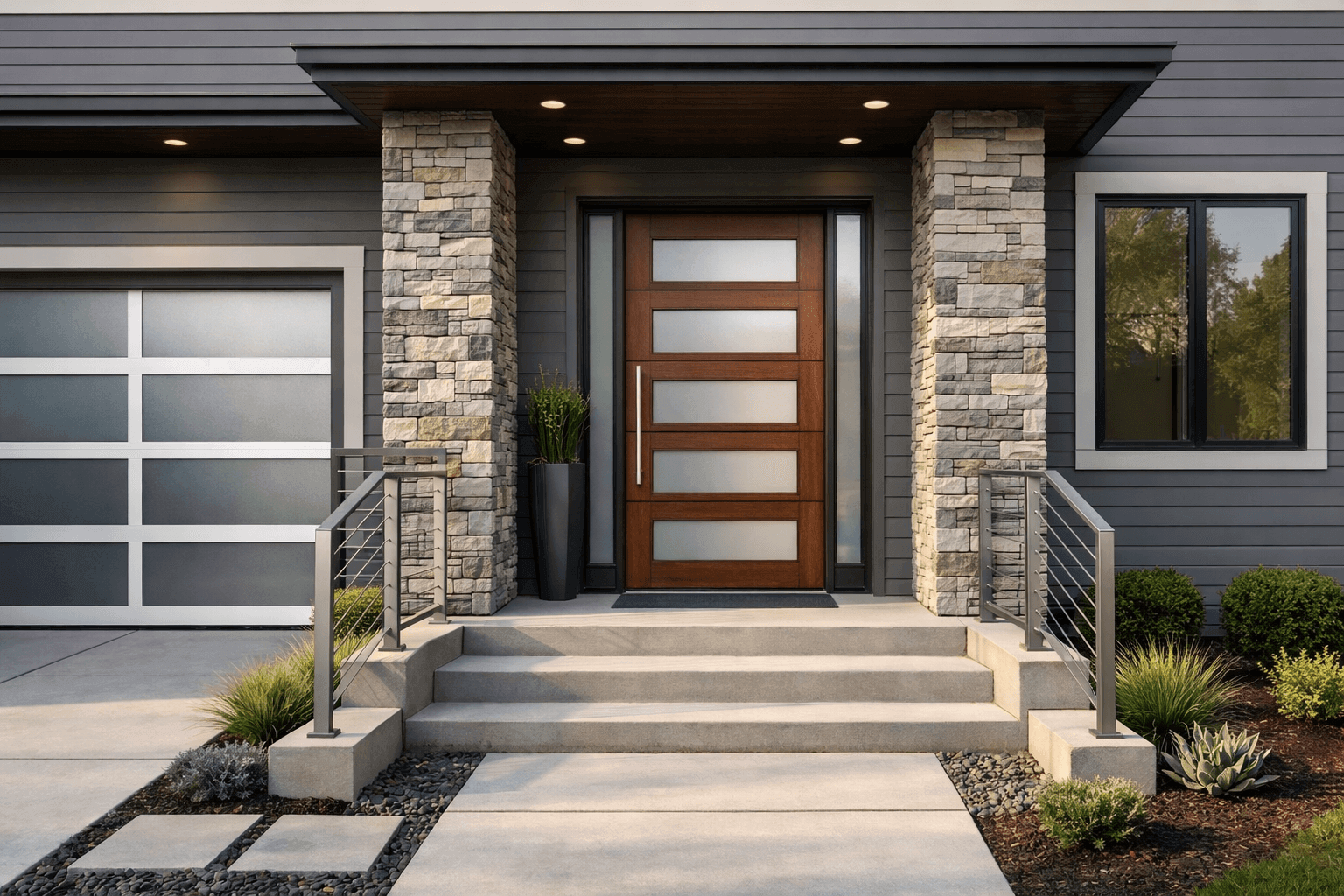
Stronger Frames, Hinges, and Locks
Reinforced doors address the weak points of standard entry doors: frame, hinges, strike plate, and core. We upgrade what you have so forced entry takes longer and makes more noise.
Standard doors fail at the frame, hinge screws, and strike. Reinforcement adds metal, longer screws, and stronger hardware so the door resists kick-ins and prying instead of failing in seconds.
Reinforced strike plates and frame anchors spread force so the jamb resists kick-in instead of splitting.
Longer screws and reinforced hinges prevent the door from being lifted or pried off the frame.
Where needed, solid-core or metal-clad doors replace hollow cores that can be punched through.
We focus on entries that are visible, accessible, or frequently used, the ones most likely to be targeted.
The main door is the most common target. Frame and strike reinforcement here has the highest impact.
Doors with less visibility are often chosen for quiet entry. Reinforcement adds delay and noise.
Doors from garage into the home are frequently weak. Upgrading them closes a common bypass.
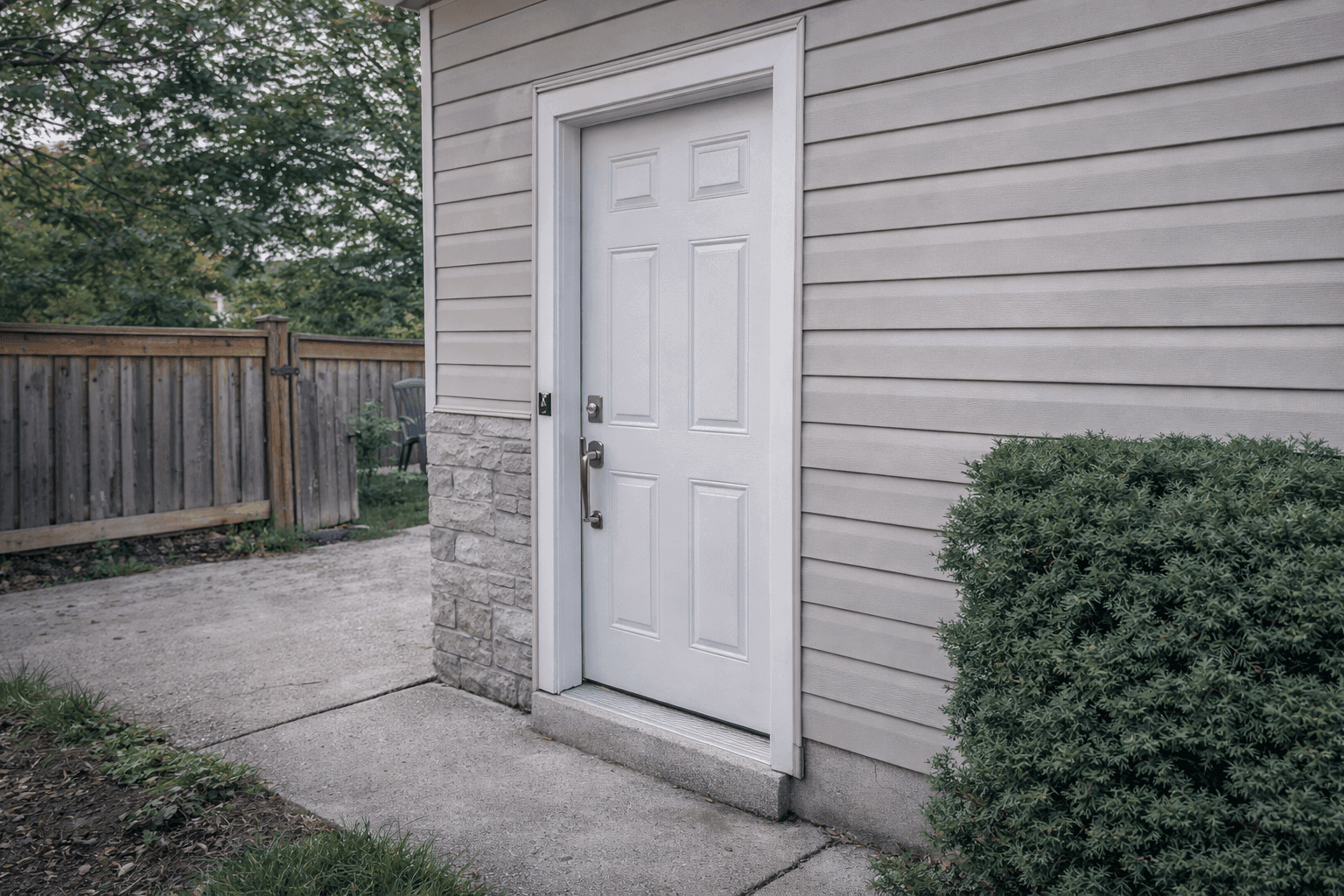
Explore the components of a reinforced security door. Drag to rotate, or use the arrows for preset views.
Reinforced doors work best alongside other physical upgrades.
It is often paired with:
Each upgrade removes a fast or quiet route and forces more time and effort.

We assess each entry door (frame, hinges, strike, and core) to recommend the right level of reinforcement for your home.
Common questions about reinforced security doors.