Secure internal zone—family protection in an installed safe room.

Safe Room Installation

The Final Layer of Protection

A safe room is an internal space designed to provide protection if the perimeter of a home is breached. Safehold installs safe rooms in existing rooms to increase resistance, reduce forced entry risk, and create a secure environment while emergency services are contacted.

Safe Room Installation Options

Internal protection levels are selected based on layout, risk profile, and realistic use scenarios.

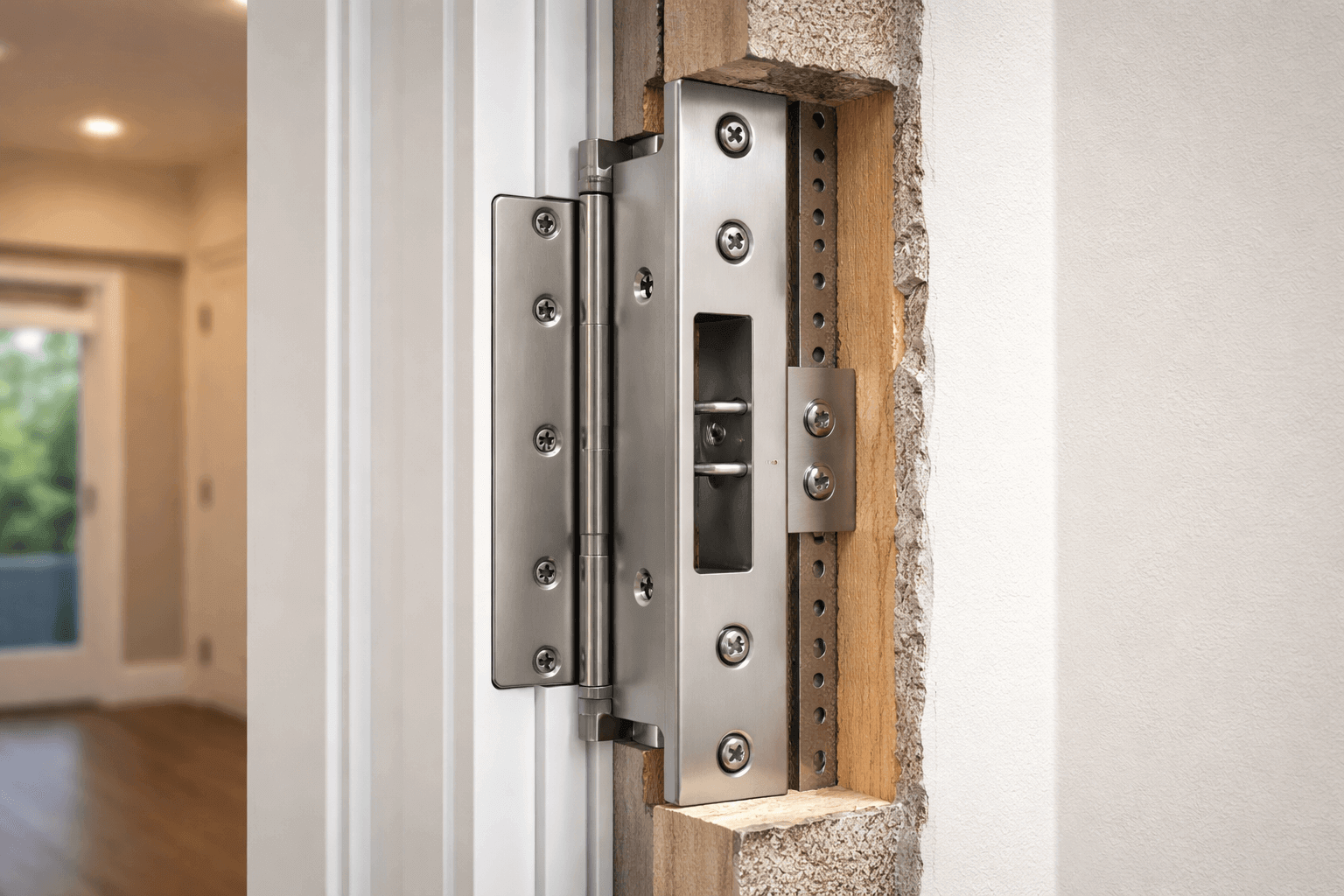
Reinforced interior steel door with multi-point lock system installed in an internal safe room.

Level 1

Reinforced Entry Door

Interior doors are replaced with reinforced steel door assemblies designed to resist force while maintaining a residential appearance. This includes reinforced jambs, hinges, and multi point locking hardware.

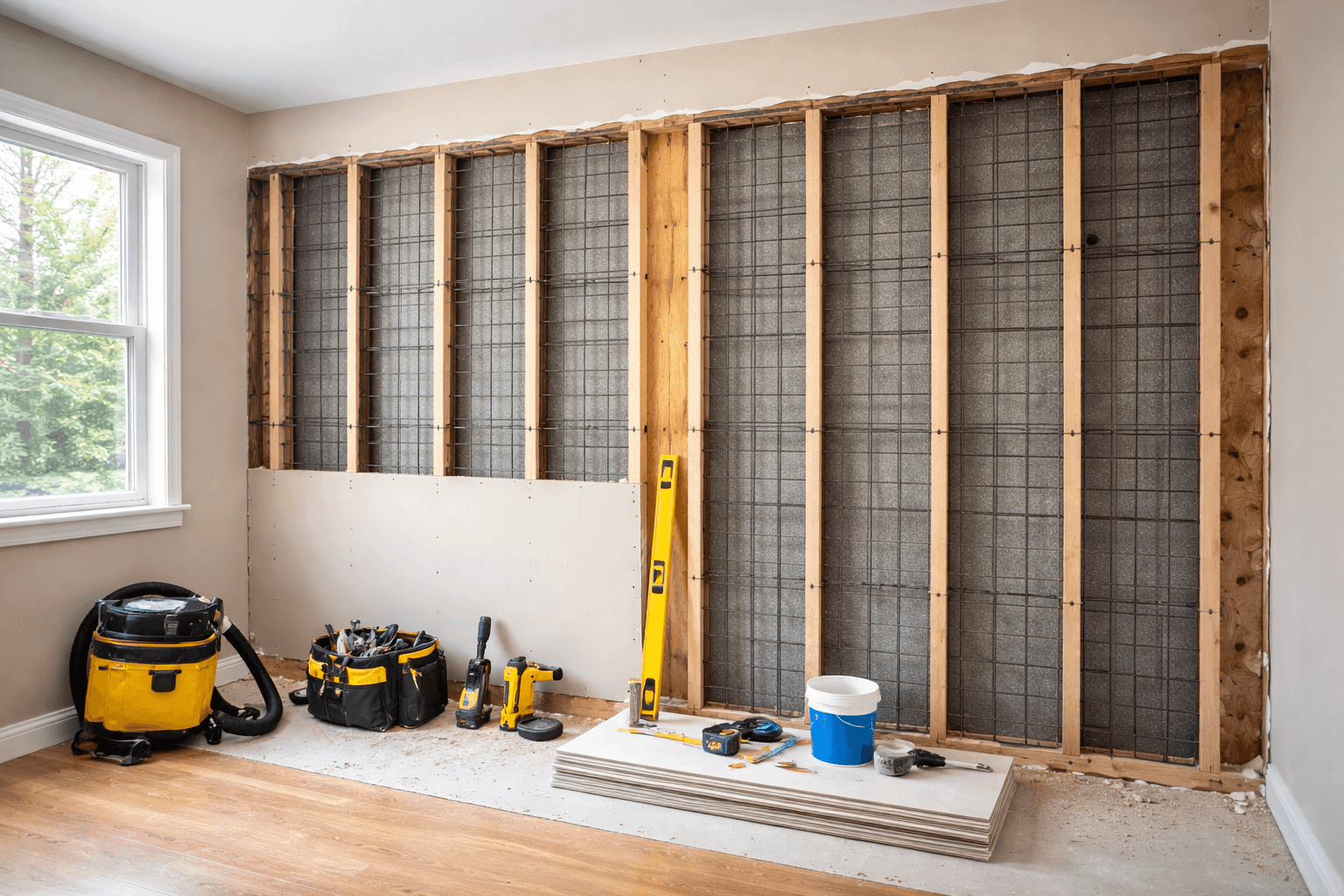
Safe room wall fortification with steel panel installation.

Level 2

Wall Fortification

Interior walls are reinforced with steel panels or ballistic grade materials to prevent bypass through drywall or framing. This is used when room placement or wall exposure increases risk.
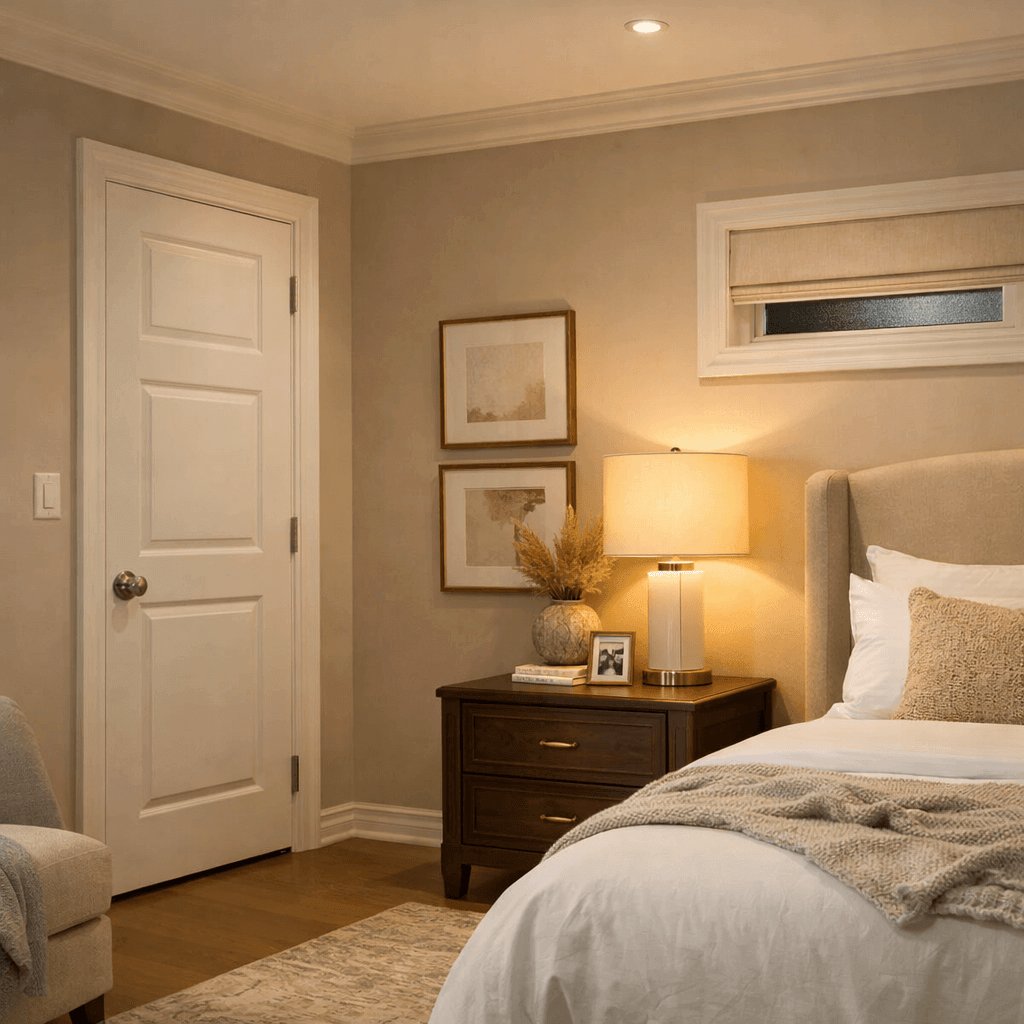
Full room fortification, residential safe room, GTA.

Level 3

Full Room Fortification

In rare cases, full room fortification may be considered. This includes reinforced anchoring, protected openings, and internal communication considerations. This level is evaluated carefully and is not appropriate for most homes.

What to Expect

Safe room installation is typically completed in a short timeframe once scope is confirmed.

  1. Evaluation of room location and construction

    We assess the best placement and existing structure before recommending options.

  2. Clear explanation of realistic protection levels

    You receive straightforward guidance on what each installation level can and cannot do.

  3. Options matched to layout and use

    Recommendations are tailored to your floor plan and how the room will be used.

  4. Installation designed to minimize disruption

    Work is planned to reduce impact on daily life during and after installation.
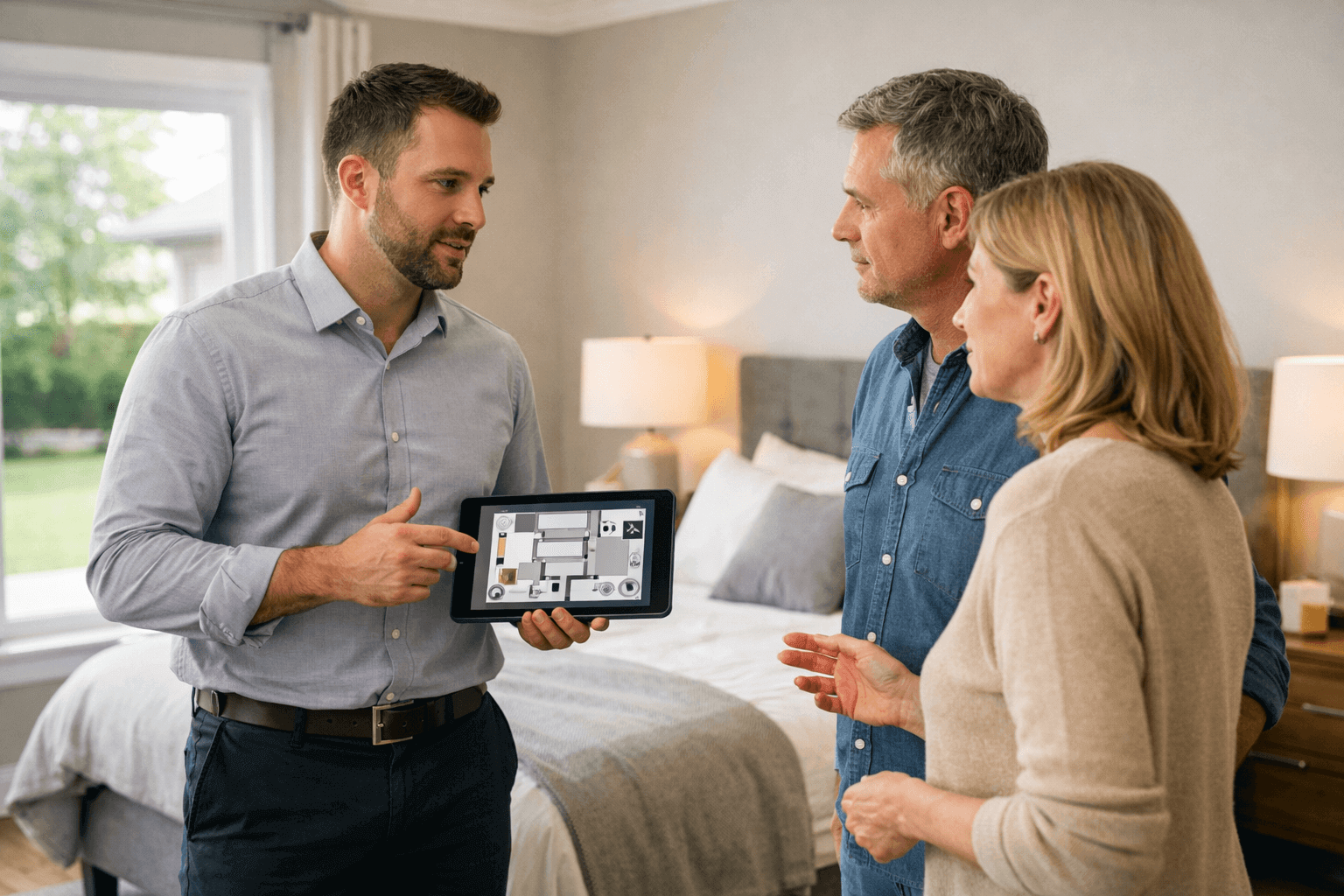
Private safe room assessment and installation consultation in a Toronto home.

What a Safe Room Is Designed to Do

A properly installed safe room is intended to buy time.

By increasing resistance at the internal door and surrounding structure, entry becomes slow, noisy, and difficult. This additional delay creates a safer window for communication, response, and decision making. Safe room performance depends on room location, construction type, and installation level. Evaluation is required.

Why Installation Works

Most homes in the GTA are built for efficiency, not resistance. Interior doors and walls are typically designed for privacy, not security. Installing a safe room in an existing bedroom or interior space adds resistance without major construction or visible structural changes. The goal is to improve resistance while preserving livability.

How Safe Rooms Fit Into a Security Plan

Safe rooms are considered only after perimeter reinforcement such as doors, frames, and glass have been addressed. They are designed to support safety through delay, not confrontation. Physical resistance creates time. Time creates options.
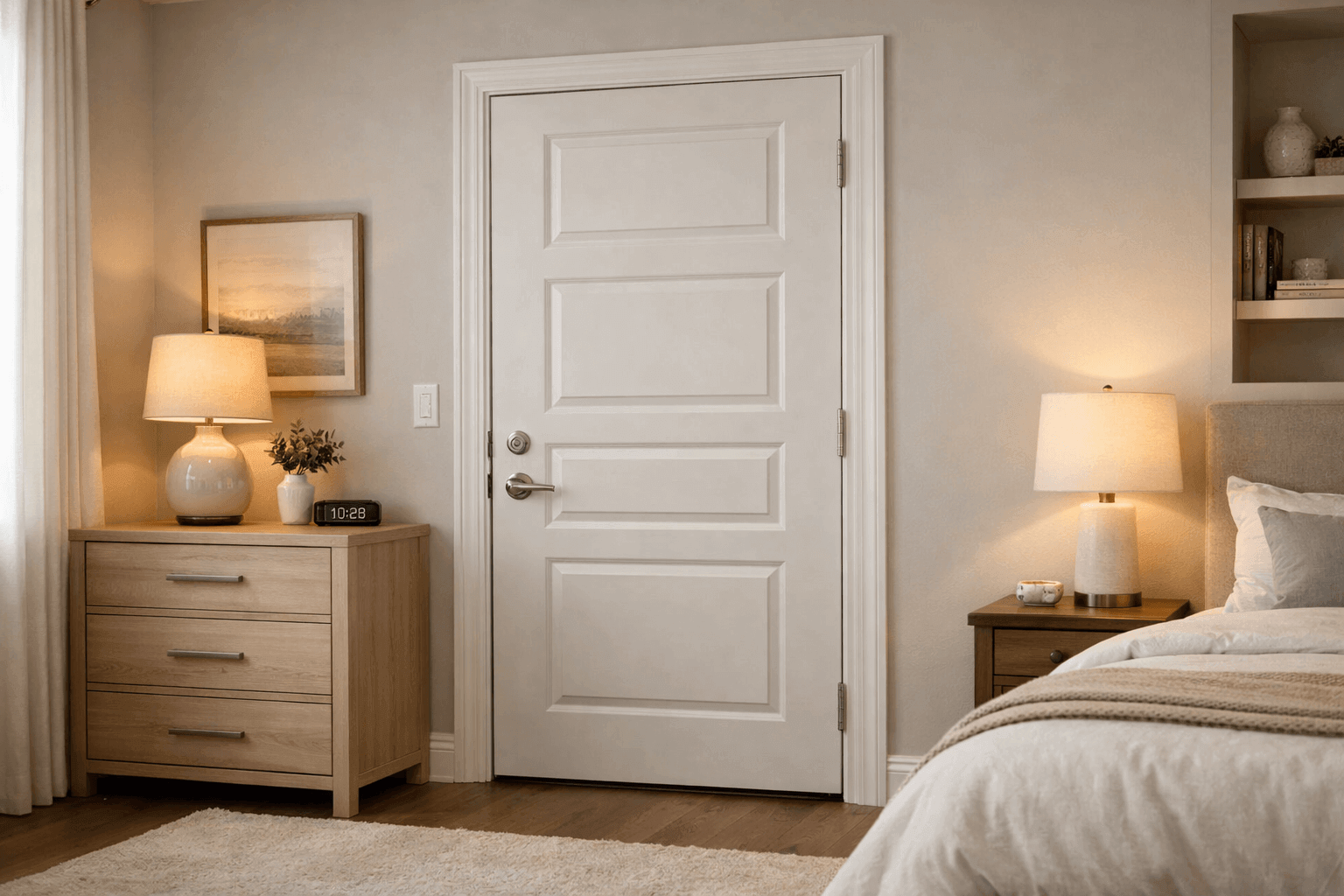
Reinforced bedroom interior in GTA home during a safe room assessment.

Start With a Private Assessment

Safe room installation is a specialized service. We assess feasibility, room placement, and realistic outcomes before making recommendations.

  • Feasibility & Placement We evaluate whether your layout and construction support an installed safe room and where it makes the most sense.
  • Realistic Outcomes Clear discussion of what each installation level delivers so you can decide with full information.
  • No-Pressure Consultation Private assessment with no obligation. Recommendations only when appropriate for your situation.
Required

Safe Room Installation FAQ

Common questions about safe room installation and what to expect.

What is a safe room?
A safe room is an internal space in your home designed to provide protection if the perimeter is breached. It is not a replacement for securing doors, frames, and glass—it adds a final layer of delay. By reinforcing the room’s entry and, when needed, its walls, entry becomes slower, noisier, and harder, giving you time to contact emergency services and make decisions.
Which room in my home can become a safe room?
Typically an interior room such as a bedroom or den, where the door and optionally the walls can be reinforced. The best choice depends on your layout, construction type, and how quickly the space can be reached. We evaluate room location, existing structure, and access during the private assessment before recommending placement.
How long does safe room installation take?
Once the scope is confirmed (level of reinforcement and which room), installation is usually completed in a short timeframe. Timeline depends on the level chosen—reinforced door only (Level 1) is faster than adding wall fortification (Level 2) or full room fortification. We give you a clear timeline after the assessment.
Will the safe room look different from the rest of my home?
At Level 1, the reinforced entry door and frame are designed to resist force while keeping a residential appearance. Level 2 adds wall reinforcement that may be concealed behind finish depending on the design. We aim to improve resistance while preserving livability and, where possible, a normal look and feel.
When should I consider a safe room?
Safe rooms are considered only after perimeter hardening—reinforced doors, frames, and glass—has been addressed. They are for homeowners who want an additional internal refuge and extra delay, not a substitute for securing main entry points. We recommend them when your risk profile and layout justify that extra layer.
What does the private assessment include?
We review your layout, construction, and objectives to assess feasibility and the best room placement. We explain what each installation level (reinforced door, wall fortification, full room) can and cannot do, and whether a safe room is appropriate for your situation. There is no obligation—recommendations are made only when it fits your needs.